Backflow Testing on the Central Coast
Donza Plumbing tests, certifies, installs and repairs backflow prevention devices across 27 suburbs on the northern Central Coast, from a base in Mannering Park. Central Coast Council runs the water supply here, so the annual test report goes to Council, not to Hunter Water. We send it in after the test.
Request a callback
Book a backflow test on the Central Coast
Leave a name and number and Josh calls you back, usually the same day. Can't wait? Call 0431 549 178.
Backflow work we do on the Central Coast
- Annual test & certification
- Report sent to Central Coast Council
- New device installation
- Device repair & retest
- Replacing a failed device
- Hazard rating assessed on site
- Commercial & strata sites
- Reminder kept for next year
The full service, what is not included and how a test runs are on the backflow prevention and testing page. The indicative range for a test is in the price guide, and a repair or a replacement device is quoted once we have seen what is installed.
Tested every year
Central Coast Council requires medium and high hazard devices to be tested by an accredited backflow plumber when they are installed and every year afterwards, with the result sent to Council.
Licence & cover
NSW Fair Trading contractor licence 498220C covers plumbing, drainage and gas fitting, with backflow prevention accreditation. The business carries $20 million public liability cover (ABN 51 697 209 153).
Our work
Backflow installs on the Central Coast and nearby
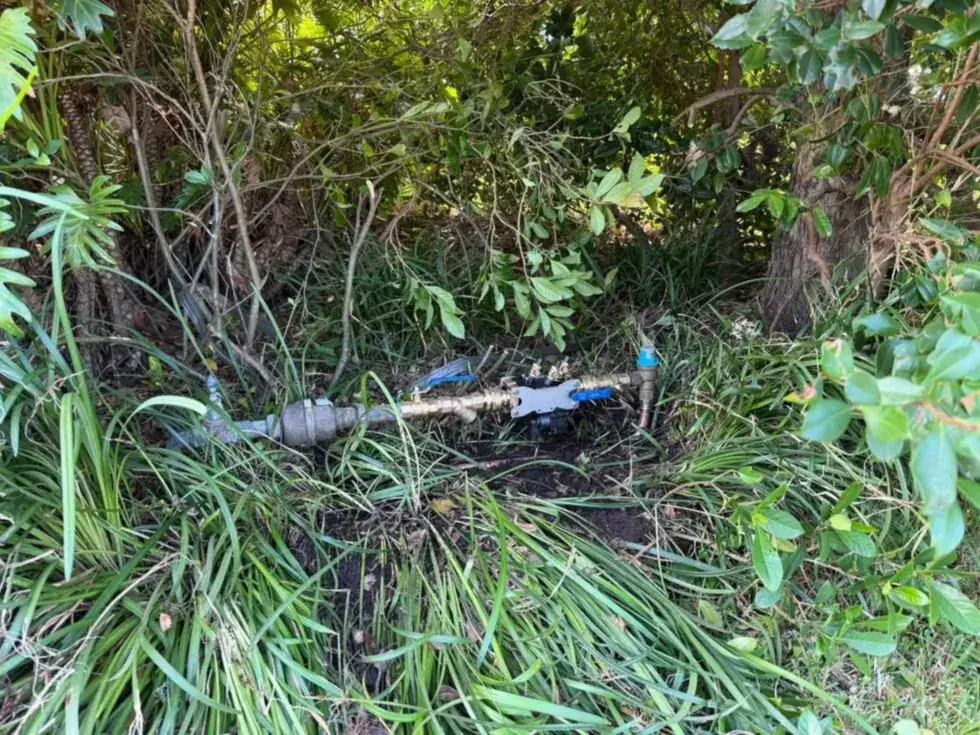
Backflow prevention in Budgewoi
We installed a boundary backflow assembly at a Budgewoi property. It sits in a garden bed at the boundary. We handle the same backflow installs on properties across Budgewoi.
Plumber in Budgewoi, Central Coast
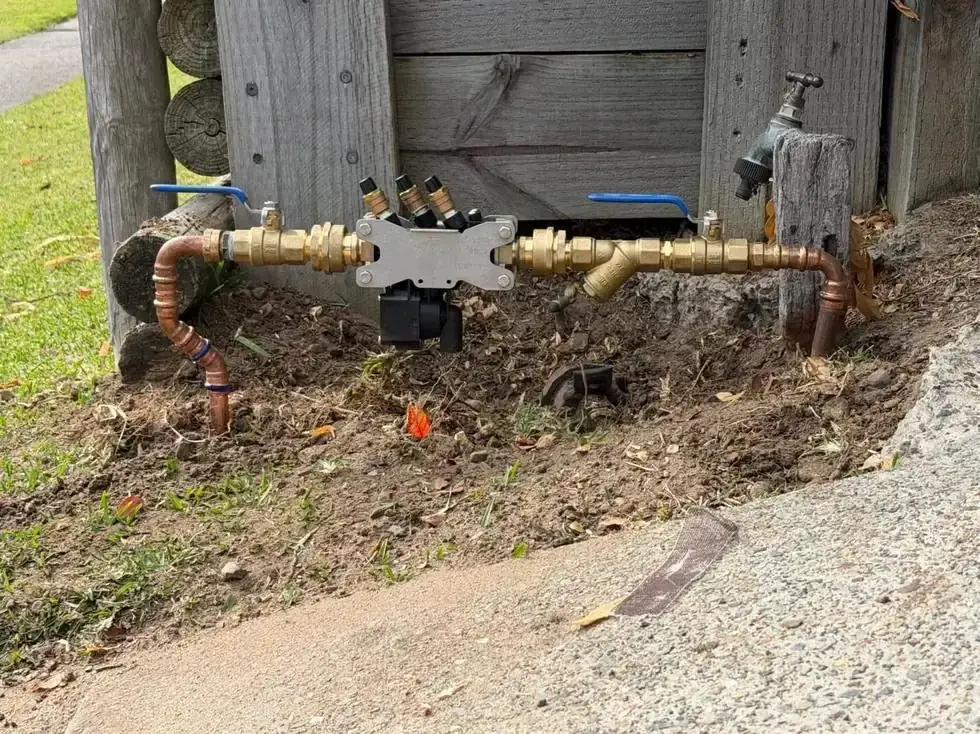
Backflow prevention in Belmont North
We installed a testable backflow prevention device on the water service at a property boundary in Belmont North. The assembly went in with isolation valves and a strainer either side of the device. We handle the same backflow installs on properties across Belmont North.
Plumber in Belmont North


Council rules
Which Central Coast properties need a device?
Central Coast Council requires a device where an accredited backflow plumber rates the property a medium or high hazard to the drinking water supply. These are its examples.
- Commercial and industrial premises
- Medical or chemical facilities
- Irrigation systems connected to the water supply
- Sites with fire services
- Properties using chemicals, fertilisers or recycled water
A single low-hazard house on a 20 mm or 25 mm water service does not need a device. A property with more than one connection to the water main needs a containment device on each, and the rating is reassessed when what happens on the site changes. Backflow testing explained covers who needs a device and what the test involves, and commercial plumbing covers strata and commercial sites.
Council paperwork
What Council asks of the owner
Council registers containment devices only, the ones on the water connection to the property. Where a device or its testing does not comply, Council may issue a notice to repair, maintain, test or replace it.
- Registering a device
- Council keeps a register of containment devices. A Backflow Prevention Device Application goes in when a device is installed for the first time, fully replaced or has its main assembly replaced, and Council invoices its fee to the owner or occupier. Where a device has no record on the register, Council decides whether a new application is needed.
- The annual report
- Every testable device is tested each year, and the result goes to Council as soon as practicable after the test. Council charges no fee to receive the annual report.
- Reminder notices
- Council may send a reminder when a test is due. Getting the device tested and the result in on time stays the responsibility of the owner or occupier.
How it runs
How a backflow test runs
Step 1
Find the device
What is installed, where it sits and whether it is on Council’s register.
Step 2
Test with gauges
The device is isolated, the test kit goes on and the readings are recorded.
Step 3
Fix what fails
A failed device usually needs a service or a part. That is quoted first, then the device is retested.
Step 4
Send the report
The result goes to Central Coast Council and your copy stays with you.
Good to know
Backflow testing on the Central Coast: common questions
Who do backflow test reports go to on the Central Coast?
Central Coast Council. It runs the water supply here and keeps the register of testable devices, so the report for a Central Coast property goes to Council, not to Hunter Water. We send it in after the test.
Does a house on the Central Coast need a backflow test?
Usually not. Council does not require a device on a 20 mm or 25 mm water service supplying a single low-hazard house. Irrigation connected to the water supply, or chemicals, fertilisers or recycled water on the property, can change the rating, and that is assessed on site by an accredited backflow plumber.
Is there a Council fee for a backflow device?
For the first application, yes. Council invoices the owner or occupier when a device is registered, and it reviews its fees and charges each year. It charges nothing to receive the annual test report. Our price for the test is separate, and the indicative range is in the price guide.
Council sent a reminder that my backflow test is due. What now?
Book the test and have the notice handy when you call 0431 549 178. Council may send reminders, but getting the device tested and the result in on time stays with the owner or occupier. We test the device and send the result to Council.
Do you install backflow devices on the Central Coast, or only test them?
Both. We installed a boundary backflow assembly at a Budgewoi property, in a garden bed at the boundary. Council requires medium and high hazard devices to be tested when they are installed and every year afterwards.
Central Coast suburbs we cover for backflow testing
27 suburbs
- Bateau Bay
- Blue Haven
- Budgewoi
- Buff Point
- Canton Beach
- Chain Valley Bay
- Charmhaven
- Doyalson
- Gorokan
- Gwandalan
- Hamlyn Terrace
- Jilliby
- Kanwal
- Lake Haven
- Lake Munmorah
- Mannering Park
- Norah Head
- Noraville
- San Remo
- Summerland Point
- The Entrance
- Toukley
- Wadalba
- Warnervale
- Woongarrah
- Wyong
- Yarramalong
Every other service for the area is on the northern Central Coast plumber page.
Customer feedback
What customers say.
Josh did an incredible job for us, the way he conducts himself is outstanding. Polite, respectful and great workmanship Highly recommend him.
Very happy with the service and the jobs we have had done. Turns up on time pricing is great and time frame to book was good I would recommend
Professional with high attention to detail